From Tradition to the Present Day
Medicinal Plants, Well-Being, Healthy Living, Natural Support: From Ancestral Origins to Modern Technology
Talking about medicinal plants is to revisit one of the oldest relationships between humans and nature. Since the earliest records of ancient civilizations, the use of natural resources has been closely linked to well being, the pursuit of a healthy lifestyle, and the effort to support the body in a natural way. Long before modern science, observing, testing, and passing down knowledge about plants was a matter of survival and daily care.
Over time, this empirical knowledge gained space in scientific studies and today coexists with advanced technologies for extraction, standardization, and quality control. Even so, interest in medicinal plants remains relevant, driven by the appreciation of natural approaches and the desire for more conscious choices. In this article, we will explore this journey, understand its benefits and limitations, and see how tradition and innovation move forward together.
The origins of medicinal plant use in ancient civilization
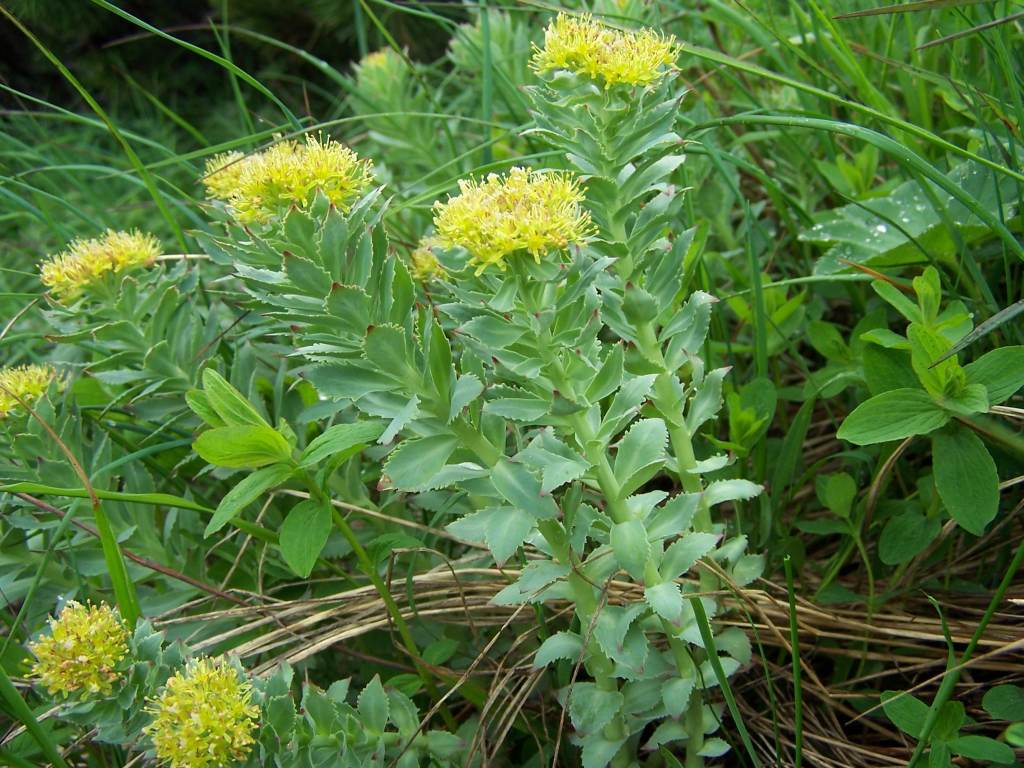
Medicinal plants have been part of human history for thousands of years. Records from Ancient Egypt, traditional Chinese medicine, and Indian Ayurveda show that leaves, roots, seeds, and bark were already used to support body balance and promote well being. This knowledge was passed down orally or recorded in papyrus and manuscripts, always linked to observing nature and its effects in daily life.
In Greece and Rome, scholars such as Hippocrates and Dioscorides helped systematize the use of plants, connecting them to a healthy lifestyle. In Indigenous cultures of the Americas, traditional knowledge has always been closely tied to respect for the environment and the natural use of available resources, a heritage that continues to influence scientific research today.
Medicinal plants have been part of human history for thousands of years. Records from Ancient Egypt, traditional Chinese medicine, and Indian Ayurveda show that leaves, roots, seeds, and bark were already used to support body balance and promote well being. This knowledge was passed down orally or recorded in papyrus and manuscripts, always linked to observing nature and its effects in daily life.
The advancement of technology applied to medicinal plants
With technological advances, the study of medicinal plants has gained greater precision. Modern techniques make it possible to identify active compounds, standardize extracts, and ensure higher quality control. This has brought more confidence to those seeking natural alternatives that may support a well being routine and a healthy lifestyle.

Technology has also helped reduce risks, such as contamination or excessive variations in concentration. Today, processes like controlled drying, encapsulation, and laboratory testing make use more reliable. This progress does not replace traditional knowledge but rather complements it, creating a bridge between past and present.
Responsible use, information, and the limits of natural
It is important to emphasize that, although medicinal plants may support well being practices and contribute to a healthy lifestyle, they do not replace traditional medicine. Natural use should be seen as a complement and never as an exclusive alternative to medical care. In the presence of any persistent symptoms, discomfort, or specific conditions, guidance from a healthcare professional is essential.
Methods based on medicinal plants are not intended to diagnose, treat, or replace clinical treatments. The integration of traditional knowledge, science, and medical follow up is the safest approach to preserving balance in the body. In this way, conscious use respects the limits of natural approaches and values traditional medicine as an essential pillar of health care.
Some important points include:
<Understanding the origin of the plants and the correct way to use them.
<Avoiding combinations without proper guidance.
<Consulting professionals when necessary
<Using plants as a way to support care, not to replace essential medical attention.
<To explore the topic further, it is worth consulting sources such as the “https://www.who.int“>World Health Organization website, which provides guidelines on traditional medicine and safe use.
Questions for reflection
Do medicinal plants replace medical treatments?
No. They may support well being routines, but they do not replace professional guidance.
Is every natural product safe?
Not necessarily. Natural use also requires proper information, reliable sources, and moderation.
How can medicinal plants be integrated into a healthy lifestyle?
In a conscious way, combining good habits, quality information, and guidance when necessary.
For those who want to explore natural products responsibly, it is important to check the origin, quality certifications, and guarantees. Here is a suggested product you for more details, click the button below.
Before choosing a natural product, check the company’s reliability, certifications, and quality seals. For reference, you can learn more by clicking below.
Privacy Term
Privacy Policy – buyyesfast.com Your privacy is important to us. This Privacy Policy explains how information is collected, used, and protected when you access buyyesfast.com. Information CollectionThe website buyyesfast.com may collect personal information in a limited and responsible manner, such as name and email address, only when users voluntarily provide this data through contact forms or subscriptions. Non-personal information may also be collected, including browser type, pages visited, and time spent on the site, for the purpose of improving user experience.Use of Information Information collected by buyyesfast.com is used to: Respond to userinquiries and messages Improve website content and functionalityAnalyze traffic and performance metrics Display relevant advertisements and content, when applicableWe do not sell, trade, or transfer personal information to third parties, except when required by law. Cookies and Similar Technologies buyyesfast.com uses cookies to store information about visitor preferences and to optimize the browsing experience. Cookies may also be used by advertising partners, such as Google, to display ads based on a user’s previous visits to this or other websites.Users can choose to disable cookies through their browser settings.Advertising and Third-Party Links The website buyyesfast.com may display advertisements and links to third-party websites. These websites have their own privacy policies, and buyyesfast.com is not responsible for their content or privacy practices. We recommend that users review the privacy policies of any third-party sites they visit. Google, as a third-party vendor, uses cookies (such as the DART cookie) to serve ads to users based on their visits to buyyesfast.com and other websites on the internet. Users may opt out of personalized advertising by visiting Google’s ad settings. Data Protection We take reasonable measures to protect the information collected by buyyesfast.com against unauthorized access, alteration, disclosure, or destruction. However, no method of data transmission over the internet or electronic storage is completely secure. Responsible Use of Information The content published on buyyesfast.com is intended for informational and educational purposes only. It does not replace professional, medical, or specialized advice. The use of information available on this website is the sole responsibility of the user. ConsentBy using buyyesfast.com, users agree to this Privacy Policy and its terms. Updates to This Policy This Privacy Policy may be updated periodically. Users are encouraged to review this page regularly to stay informed about any changes. Contact If you have any questions regarding this Privacy Policy, please contact us through the contact form available on buyyesfast.com.
©Copyright 2025. All rights reserved.